
Custom Packaging Inserts • Product Fit • Export-Ready Packing
Custom Box Inserts Manufacturer in China
HS Packfactory is a factory-direct custom box inserts manufacturer in Shenzhen, China since 1999, supporting paperboard, corrugated, molded pulp, foam, velvet-flocked, thermoformed, and mixed-material insert projects for global B2B buyers.

Send your product size, weight, photos, outer box style, and target quantity. Our packaging team can help review the insert structure, cavity layout, dieline, sample fit, packing method, and export carton plan before mass production.
- MOQ from 500 pcs for many paperboard, corrugated, and foam insert projects
- Sampling usually takes 3-7 days after the structure, material, and artwork are confirmed.
- Mass production usually takes 15-20 days after sample and artwork approval.
Quick B2B Specs
Box Insert Specifications Buyers Usually Need First
For accurate custom packaging inserts, the most important information is not only material. The insert must match the product cavity, outer box, packing workflow, and export shipping plan.
Insert Types
Custom Box Insert Types for Different Products
Choose the insert type according to product weight, fragility, surface sensitivity, brand presentation, sustainability goals, and whether the insert will ship flat, nested, or pre-assembled inside the box.
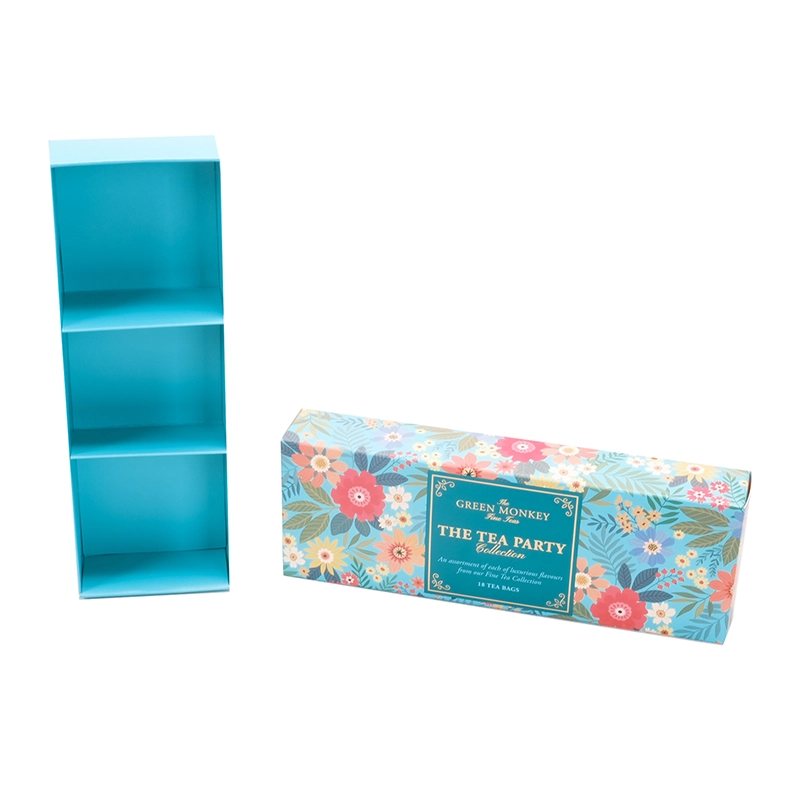
Paperboard Box Inserts
Folded paperboard inserts for cosmetics, samples, light retail kits, paper-based packaging, and printed presentation surfaces.
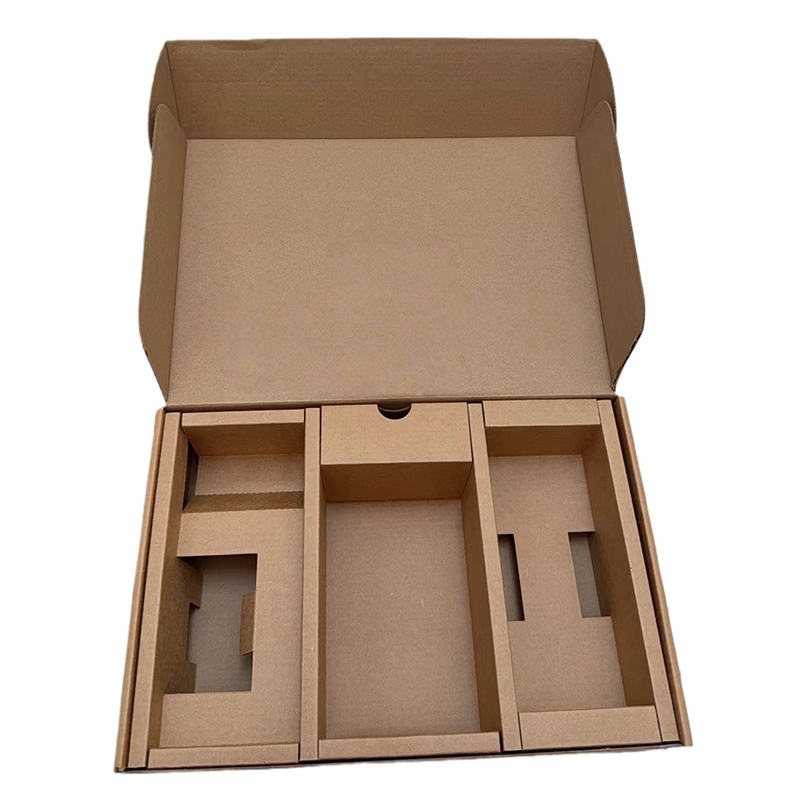
Corrugated Box Inserts
Stronger corrugated inserts for mugs, jars, shipping kits, heavier items, and fragile products that need extra side support.
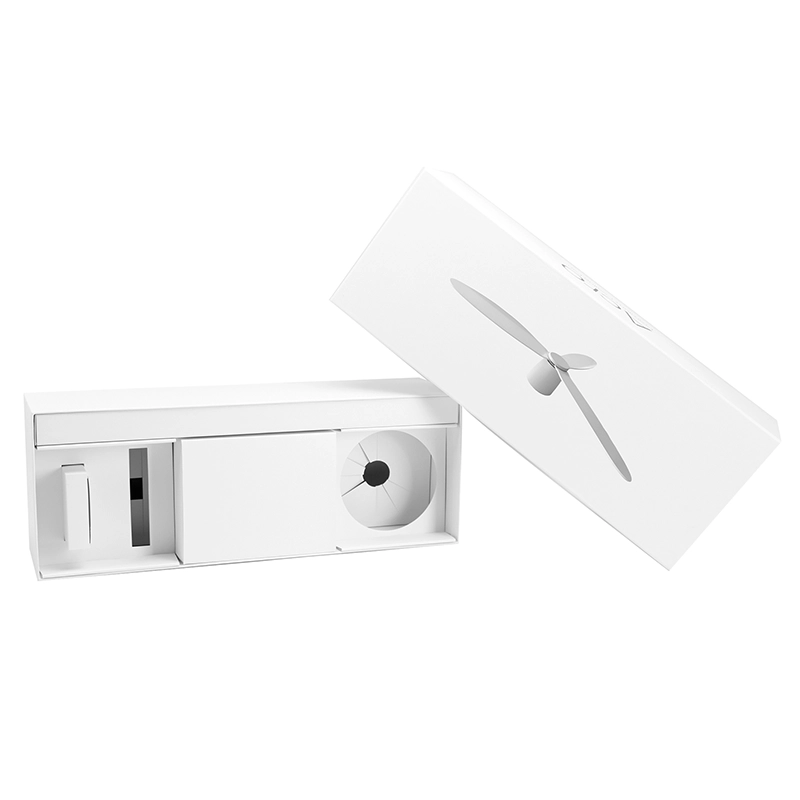
Folded Paper & Cardboard Platforms
Raised platforms, folded supports, and sleeve-style inserts for neat staging, hidden storage, PR kits, and retail unboxing layouts.

Molded Pulp Inserts When Applicable
Fiber-based trays for plastic-free packaging, repeat programs, and sustainability-focused projects with confirmed tooling needs.
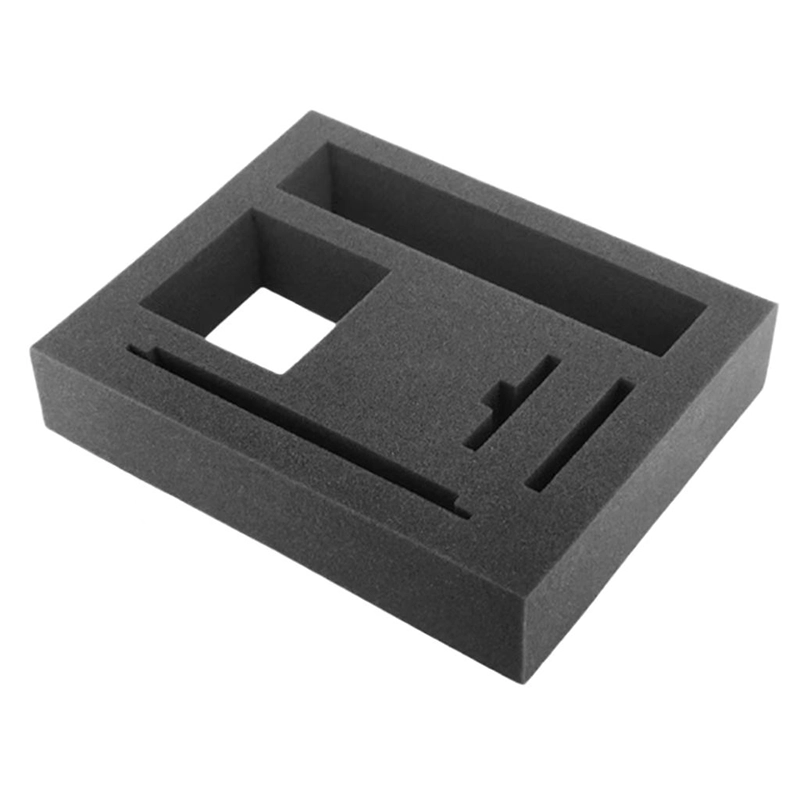
Foam / EVA Inserts When Needed
Protective foam inserts for electronics, glass bottles, watches, tools, and premium products that need stronger shock absorption.
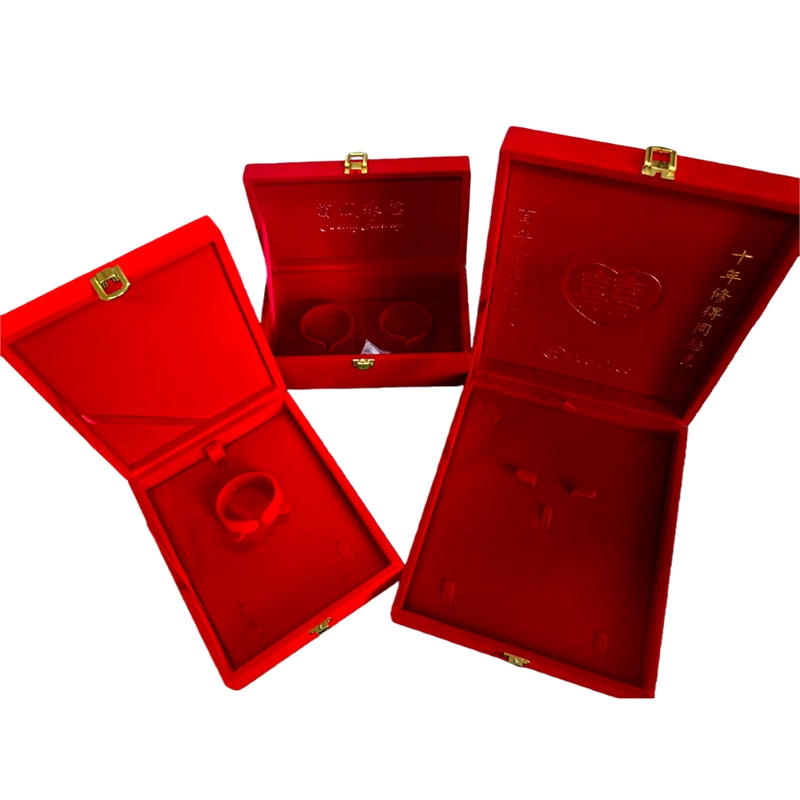
Velvet / Flocked Presentation Trays
Soft-touch trays for jewelry, watches, fragrance sets, cosmetics, and luxury gift boxes that need a premium display surface.
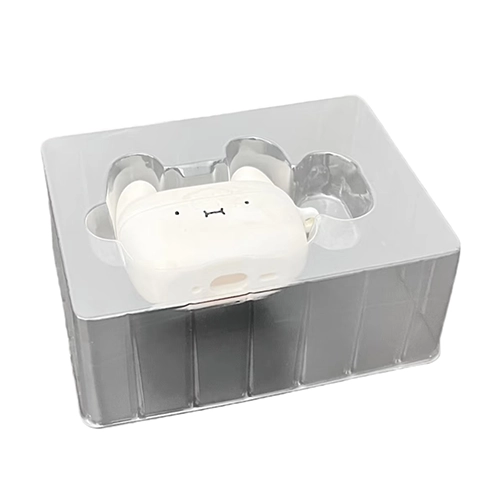
Blister / Thermoformed Trays
Clear or colored shaped trays for retail kits, components, samples, and high-volume programs that require molded cavities.
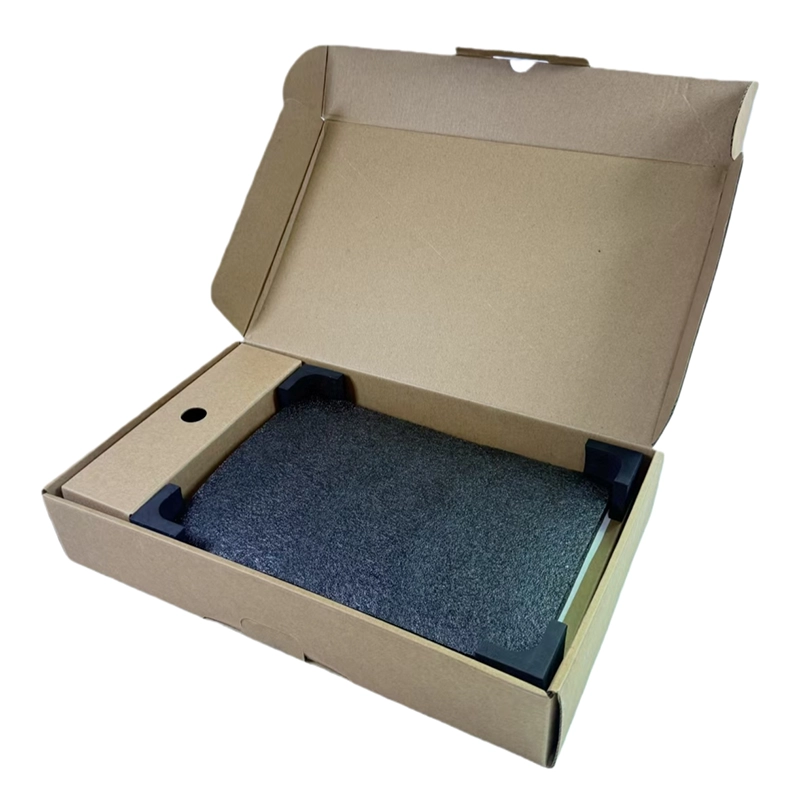
Mixed-Material Inserts
Combined foam, paperboard, corrugated board, printed sleeves, or trays when both protection and presentation are required.
Material Selection
Paperboard, Corrugated, Molded Pulp, or Foam Inserts?
The right material depends on protection level, display quality, tooling cost, recyclability expectations, order quantity, and how the insert will be packed with the outer box.
When molded pulp is shortlisted, review the molded pulp cost drivers and RFQ inputs before comparing tooling, samples, quantity and pack-out across suppliers.
Insert selection should be reviewed together with the outer package; our outer packaging and insert material guide explains how the two decisions work together.
| Material Option | Best Used For | Buyer Notes |
|---|---|---|
| Paperboard / white card / kraft paperboard | Light products, cosmetics, samples, retail sets, printed presentation inserts | Good for paper-based packaging and flexible structures; final strength depends on board thickness and folding design. |
| Corrugated board | Heavier products, shipping kits, e-commerce packaging, fragile jars, mugs, and bottles | Better cushioning and side-wall strength than flat paperboard, but the structure must match the outer box. |
| Molded pulp | Plastic-free tray programs, repeat projects, eco packaging, larger-volume protective inserts | Tooling, tolerance, surface texture, and MOQ should be confirmed before final approval. |
| EVA / EPE / sponge foam | Electronics, glass, watches, tools, gift sets, and high-value fragile products | Strong product holding and cushioning; sustainability goals and surface contact should be checked case by case. |
| Velvet / flocked surface | Jewelry, fragrance, premium gift boxes, display trays, luxury retail presentation | Used when presentation matters; color, dust, surface protection, and bonding should be checked during sampling. |
Decision Guide
Protection vs Presentation: How to Choose the Insert Direction
Some inserts are mainly designed to stop product movement during transit. Others are designed to stage products neatly inside a rigid box, folding carton, or retail kit. Many B2B projects need both.
Use our packaging insert selection guide to compare product fit, fragile points, materials, outer-box requirements, and sample approval before finalizing a custom insert.
Internal protection works together with carton structure. Review our corrugated box strength guide when evaluating the outer carton and insert combination.
Choose stronger protection when:
- The product is glass, electronic, heavy, sharp, or fragile.
- Shipping includes courier delivery, Amazon FBA, export cartons, or long-distance handling.
- The insert must reduce product movement, surface rubbing, or corner impact.
Choose stronger presentation when:
- The buyer opens the box as part of a gift, retail, PR, or premium brand experience.
- The product position, reveal angle, color match, and surface texture affect perceived value.
- The insert needs printing, flocking, folded paper staging, or a layered display layout.
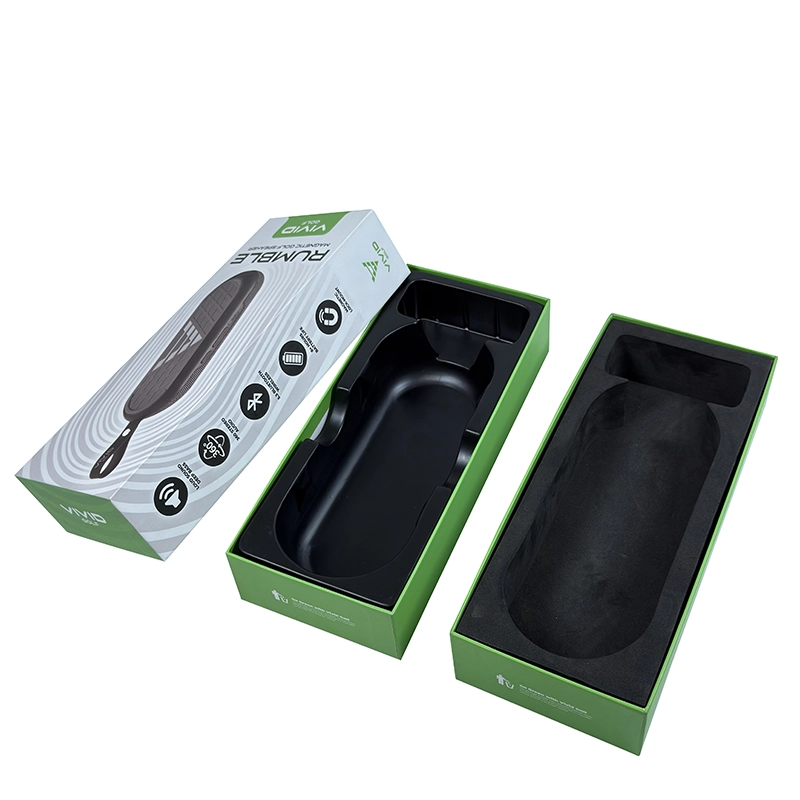
Fit, Tolerance & Dieline
Product Fit, Cavity Layout, and Dieline Support
Insert accuracy depends on product measurement, product tolerance, insert height, cavity clearance, removal direction, and how the insert sits inside the final box. Use our box and insert fit tolerance guide to define how product dimensions, cavity clearance and finished box fit will be measured and approved for the project.
Product Measurement
Send the product length, width, height, weight, photos, surface sensitivity, and any batch tolerance. A real sample or 3D file is recommended for complex shapes.
Cavity & Holding Position
We review cavity clearance, product holding position, die-cut slots, finger notch, anti-shake support, and whether the product should sit flush, raised, or layered.
Outer Box Matching
The insert must match inner box size, board thickness, lid clearance, folding direction, and assembly method to avoid bending, pressure, or loose movement.
Dieline & Sample Approval
We can help prepare or review insert dielines, then make a physical sample for product fit checking before mass production.
Before mass production, review our packaging sample guide to choose the appropriate product-fit and closer final approval route.
Applications
Custom Product Inserts for Cosmetics, Electronics, Gifts, Jewelry, and Retail Kits
This page is the main Box Inserts category page. Detailed industry pages should handle deeper cosmetic, electronics, food, toy, or gift packaging requirements.
Cosmetic & Skincare Inserts
For bottles, jars, tubes, sample sets, and retail kits that need clean positioning, brand consistency, and surface protection.
View cosmetic packaging solutions Read the cosmetic packaging inserts guideElectronics Inserts
For small devices, accessories, chargers, tools, and kits where product movement, cable placement, and transit protection matter.
View electronics packaging solutionsPerfume, Candle & Glass Inserts
For fragile bottles, jars, candles, and gift sets that may need corrugated support, molded pulp, foam, or a mixed-material layout.
Match with rigid boxesJewelry & Gift Box Inserts
For premium gift boxes, jewelry trays, watch sets, and PR kits where presentation, texture, and product reveal are important.
View velvet tray optionsToy, Game & Retail Kit Inserts
For multi-piece sets, accessories, cards, parts, and retail kits that need divider layouts, layered inserts, or removable trays.
Match with folding cartonsE-commerce & Shipping Inserts
For mailer boxes, corrugated boxes, and export cartons where the insert should reduce shaking, rubbing, and packing damage.
Match with corrugated boxesPacking Workflow
Flat Shipping vs Pre-Assembled Inserts
The lowest insert price is not always the lowest total cost. Buyers should compare unit price, assembly labor, storage space, carton volume, and packing speed before choosing a structure.
| Packing Method | When It Works |
|---|---|
| Flat-shipping inserts | Good for folded paperboard or cardboard inserts when your team can assemble them during final packing. |
| Nested inserts | Useful for trays that stack efficiently and reduce shipping volume without damaging the cavity shape. |
| Pre-assembled inside boxes | Better when your warehouse needs faster packing, stable presentation, or reduced assembly labor. |
Cost-control details to confirm
- Insert quantity per outer box
- Multi-SKU cavity layout and packing count
- Polybag, bundle, or direct carton packing
- Export carton size and shipping volume
- Whether product loading happens in China or after import
Sampling & Approval
How We Create Custom Packaging Inserts
For B2B packaging projects, sample approval should confirm both the insert and the matching outer box before mass production.
- Send project details Product size, weight, photos, outer box style, quantity, material preference, and protection or presentation requirements.
- Review structure and material We suggest a practical insert direction, cavity layout, board or foam thickness, and whether tooling may be required.
- Make sample and test fit The sample should be checked for product fit, insert depth, removal direction, box fit, product movement, and final appearance.
- Approve production and packing After approval, we confirm packing method, export carton plan, quality checks, and production schedule.
Quality Control
What We Check Before Shipping Box Inserts
Approved samples and clear packing instructions help keep insert production consistent across B2B orders.
Faster Quote
What to Send for a Custom Box Insert Quote
To quote accurately, please send product dimensions, product weight, product photos, outer box style, order quantity, preferred insert material, and the market where the packaging will be used.
- Product size, weight, and real product sample if available
- Outer box style: rigid box, folding carton, corrugated box, mailer box, or gift box
- Insert target: protection, presentation, product separation, or plastic-free packaging
- Quantity, packing method, export carton requirement, and delivery schedule
- Artwork file if the insert needs printing or brand color matching
FAQ
Custom Box Inserts FAQ
What is the MOQ for custom box inserts?
The typical MOQ for custom box inserts starts from 500 pcs for many paperboard, corrugated, and foam insert projects. Molded pulp inserts, thermoformed trays, or highly customized structures may require a higher MOQ because tooling, setup, and material waste need to be calculated case by case.
What materials can I choose for custom packaging inserts?
Common options include paperboard, cardboard, corrugated board, grey board, white card, kraft paperboard, coated paperboard, recycled paperboard, molded pulp, EVA foam, EPE foam, sponge foam, and velvet or flocked surfaces when applicable. The best choice depends on product weight, fragility, display needs, sustainability goals, and budget.
How do I choose between paperboard, corrugated, molded pulp, and foam inserts?
Paperboard inserts are suitable for lighter retail products and printed presentation. Corrugated inserts are better for stronger shipping support. Molded pulp works for selected plastic-free and repeat programs. Foam or EVA inserts are often used when a fragile or high-value product needs stronger holding, cushioning, or surface separation.
Can you help design the insert dieline and cavity layout?
Yes. Our packaging team can help review product measurements, product photos, product weight, outer box size, insert depth, cavity clearance, die-cut slots, locking tabs, finger notch, and removal direction. For complex shapes or tight tolerances, a physical product sample or confirmed 3D file is strongly recommended before final sampling.
Do I need to send a physical product sample?
A physical sample is not always required for an initial estimate, but it is recommended before final insert sampling and mass production. Real samples help confirm product tolerance, surface sensitivity, center of gravity, cavity fit, anti-shake support, and whether the insert should be adjusted for easier loading or removal.
Can inserts be shipped flat, nested, or pre-assembled inside boxes?
Yes. Many folded paperboard and cardboard inserts can ship flat to reduce volume. Some trays can be nested. Premium gift boxes or projects with strict presentation needs may be pre-assembled inside the outer box. The best method depends on labor cost, warehouse workflow, shipping volume, and final packing speed.
Can box inserts be printed or color matched?
Paperboard, cardboard, and some sleeve-style inserts can usually be printed or color matched to the outer packaging. Foam, molded pulp, velvet, and thermoformed trays have different color and surface limitations. If brand consistency is important, please provide Pantone color, artwork files, and the matching outer box design for review.
How do you control quality before shipping?
Before shipment, we check insert size, cutting tolerance, cavity fit, material thickness, product movement, outer box fit, surface finish, packing count, export carton protection, and approved sample consistency. Clear dieline version control and packing instructions help keep multi-SKU B2B packaging orders stable during mass production.
Start Your Insert Project
Need Custom Box Inserts for a New Packaging Set?
Send your product details and outer box requirement. HS Packfactory can help you compare paperboard, corrugated, molded pulp, foam, and mixed-material insert options for protection, presentation, assembly, and export packing.