
Gang-Run Printing Packaging Case Study for Multi-SKU Folding Cartons
A cosmetic brand needed folding cartons for several skincare products in the same product line. The previous production method used separate printing runs for each SKU, which created more paper waste, repeated setup work, and a higher risk of color variation between related boxes.
HS Packfactory reviewed the dielines, artwork files, carton sizes, paperboard choice, finishing requirements, and printing layout. Our packaging engineers recommended a gang-run printing layout with optimized dieline placement to improve paper usage and support more consistent color control across the full packaging set.
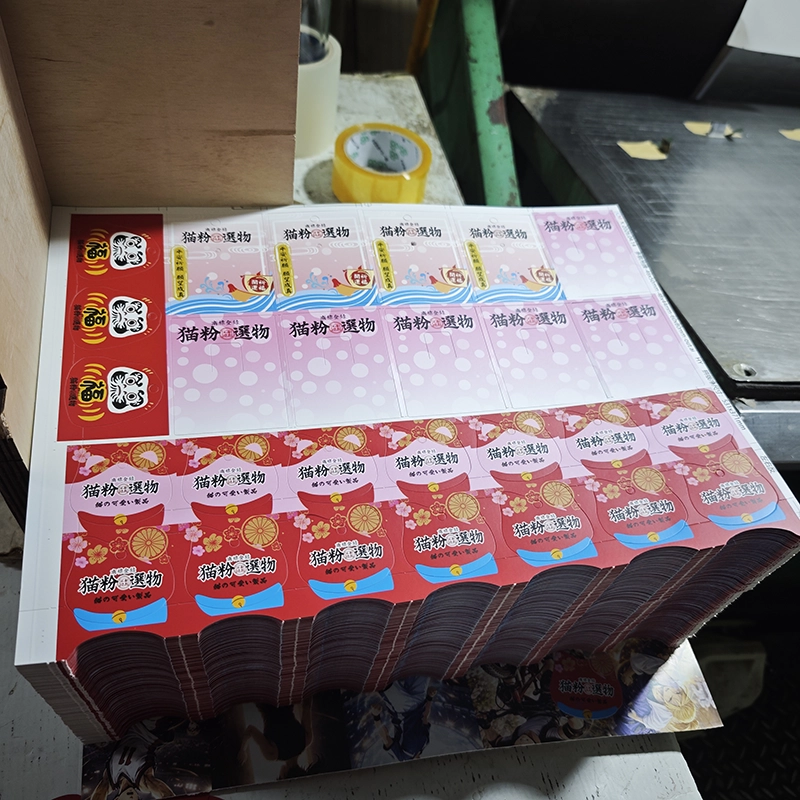
Quick Answer: Gang-Run Printing Packaging
Gang-run printing packaging means placing multiple SKUs or packaging designs on the same printing sheet when their materials, color requirements, finishing steps, and production conditions are compatible. For multi-SKU folding carton projects, this can help reduce paper waste, reduce repeated press setup, and support more consistent brand color control.
- Best for multi-SKU folding cartons, cosmetic packaging, skincare boxes, small retail cartons, and product line packaging.
- Useful when multiple cartons use similar paperboard, printing conditions, finishing requirements, and approval timelines.
- Dieline layout optimization helps reduce unused blank space on the master printing sheet.
- All artwork, dielines, color references, barcode positions, and finishing layers must be checked before production.
- Gang-run printing is not suitable when different SKUs require very different materials, finishes, delivery batches, or color control standards.
Project Background
The buyer was a cosmetic brand preparing packaging for several skincare products in the same retail line. Each product had its own carton size and artwork, but the packaging needed to look consistent when displayed together on shelf or inside a product set.
Their previous supplier printed each SKU separately. This created repeated setup work, more paper waste, and a higher risk that the same brand color would look slightly different across different boxes.
The buyer needed a more efficient production plan for multi-SKU folding cartons while keeping consistent brand color, clean dielines, correct barcode positions, and a retail-ready presentation.
Packaging Challenge
Multi-SKU folding carton projects can become expensive if each box is treated as a completely separate production run. The challenge is to reduce waste and setup work without creating cutting, folding, color, or SKU sorting problems.
Main Challenges
- Paper waste: Separate dielines left unused blank areas on the printing sheet.
- Repeated setup: Multiple independent press runs increased make-ready time and setup work.
- Color consistency: Printing SKUs on different days or under different settings could create visible color differences.
- Dieline fitting: Different box sizes needed to interlock efficiently on one master layout.
- Finishing compatibility: Surface finishes and production steps had to be compatible across all SKUs.
- SKU sorting: Finished cartons had to be separated and packed clearly after die cutting, folding, and gluing.
Our Gang-Run Printing Solution
HS Packfactory reviewed the customer’s dielines and artwork files before quotation. Instead of treating the cartons as separate projects, our engineering team checked whether the SKUs could be combined into one optimized production layout.
The solution was to adjust dieline placement and arrange multiple cartons on one master sheet. This helped improve sheet utilization and allowed related cartons to be printed under the same production conditions when technically appropriate.
Recommended Changes
- Dieline layout: Adjusted the flat carton layout to reduce unused paper space.
- Gang-run printing: Combined suitable SKUs onto one master sheet for more efficient production.
- Artwork preflight: Checked bleed, safe margins, Pantone references, barcode position, and outlined text.
- Material consistency: Kept the same paperboard type and surface treatment where possible.
- Color control: Printed related SKUs under the same press conditions to support more consistent brand colors.
- SKU separation plan: Planned how each SKU would be identified, counted, packed, and marked after production.
- Factory-direct engineering: Provided structural and prepress support directly from our Shenzhen packaging production team.
Gang-run printing is not suitable for every project. It works best when multiple SKUs use compatible materials, similar finishing processes, and artwork that can share the same print sheet without increasing die-cutting, color, or sorting risk.
When Gang-Run Printing Works Best
Before recommending gang-run printing, our team checks whether the SKUs are technically compatible. A lower printing setup cost is useful only when the layout does not create new risks in die cutting, finishing, color matching, or warehouse sorting.
Good Fit
- Multiple SKUs use the same or similar paperboard material.
- Carton sizes are close enough to arrange efficiently on one master sheet.
- Printing colors, brand references, and ink coverage are compatible.
- Surface finishing requirements are similar, such as the same lamination or no special finish.
- The buyer wants a consistent product line appearance across several folding cartons.
- The SKUs can be produced and delivered within the same production schedule.
Separate Printing May Be Safer
- Different SKUs require different paperboard, special coatings, or very different finishing processes.
- One carton needs foil stamping, embossing, or Spot UV while others do not.
- Color coverage is very different and may affect color control across the same sheet.
- Delivery batches are separated by a long period or require different warehouse plans.
- Carton sizes are too different, causing more waste instead of less waste.
- SKU separation risk is high because the cartons look very similar after printing and die cutting.
Sample Review & Layout Adjustment
For this project, the layout decision was checked before bulk production. The goal was not only to place more cartons on one sheet, but also to make sure each SKU could still be die cut, folded, glued, sorted, and packed correctly.
What We Checked Before Approval
- Dieline nesting: Confirmed whether different carton shapes could share the same sheet without cutting conflict.
- Bleed and safe zone: Checked whether graphics extended beyond the dieline and avoided critical areas near fold lines.
- Barcode and small text: Reviewed barcode position, ingredient text, small icons, and legal text for each SKU.
- Brand color references: Confirmed the color control method for related packaging designs.
- Finishing layers: Checked whether lamination or special finishing could be applied consistently.
- SKU separation: Reviewed how each carton design would be identified and separated after die cutting.
For multi-SKU packaging, sample approval should confirm more than appearance. Buyers should also check product fit, carton size, barcode position, folding performance, SKU identification, and final packing method.
Production Process
The project followed a controlled prepress and production workflow. This helped the buyer reduce layout waste while keeping carton structure, print quality, and SKU separation stable.
Step-by-Step Workflow
- Step 1: Project file review — The buyer provided carton sizes, dielines, artwork files, brand colors, and order quantities.
- Step 2: Dieline comparison — Our team compared all SKU dielines to check whether they could be arranged efficiently together.
- Step 3: Layout planning — The flat carton templates were arranged on one master sheet to reduce paper waste.
- Step 4: Artwork preflight — Bleed, safe margins, Pantone references, image resolution, barcode position, and outlined fonts were checked.
- Step 5: Proofing and approval — The optimized layout was reviewed before sample or bulk production.
- Step 6: Printing and finishing — Suitable SKUs were printed under the same production conditions when technically appropriate.
- Step 7: Die-cutting and folding check — Each carton was checked after die-cutting to confirm folding and structure.
- Step 8: SKU sorting and packing — Finished cartons were separated by SKU and packed for easier warehouse receiving and distribution.
Quality Control
Quality control focused on prepress accuracy, color consistency, paper usage, die-cutting precision, carton folding performance, and SKU separation after production.
QC Checkpoints
- Dieline check: Confirm cut lines, fold lines, glue areas, flaps, lock structure, and product fit for each SKU.
- Artwork check: Verify bleed, safe margins, barcode location, text outlines, and print resolution.
- Color check: Review brand color references and compare related SKUs under the same viewing conditions.
- Material check: Confirm paperboard type, thickness, grain direction, and surface treatment compatibility.
- Die-cutting check: Inspect registration, cutting accuracy, creasing depth, and folding performance.
- SKU sorting check: Confirm that different cartons are separated, counted, and packed correctly after production.
- Carton packing check: Confirm packing quantity, carton marks, and warehouse receiving notes for each SKU.
Export Packing & SKU Sorting Notes
Although this case focused on print layout and paper usage, multi-SKU carton projects also need clear export packing. If cartons are mixed or labeled poorly after production, the buyer’s warehouse may spend extra time separating SKUs.
- Pack by SKU: Finished cartons should be separated by SKU before master carton packing.
- Use clear carton marks: SKU name, quantity, carton number, and destination information should be easy to identify.
- Confirm packing quantity: Each master carton should follow an agreed packing quantity to simplify warehouse receiving.
- Avoid mixing similar designs: Similar-looking cosmetic cartons need clear separation after die cutting and gluing.
- Check shipping country needs: Destination, warehouse labels, pallet requirements, and trade terms should be confirmed before shipment.
Final Results
The optimized gang-run printing layout helped the buyer reduce unnecessary paper waste and repeated setup work. The production plan also supported more consistent color control across the cosmetic carton set.
Instead of only quoting the cartons one by one, HS Packfactory helped the buyer review the full multi-SKU packaging system and improve the production layout before mass production.
Project Outcomes
- Multiple cosmetic folding carton SKUs were reviewed as one connected production project.
- The dieline layout was optimized to reduce unused space on the master sheet.
- Gang-run printing reduced repeated independent press setup where the SKUs were technically compatible.
- Related SKUs were produced under more consistent printing conditions.
- Artwork, barcode positions, bleed, and safe zones were checked before approval.
- Finished cartons were separated and packed by SKU for easier warehouse receiving.
- The buyer received a more efficient production plan for multi-SKU retail packaging.
The project helped the buyer move from separate SKU-by-SKU printing toward a more efficient gang-run printing layout with better paper usage, clearer SKU management, and stronger brand color control.
Buyer Takeaways from This Case Study
If you are preparing multiple cartons for one product line, the cost-saving opportunity often starts before printing, during dieline review, artwork preflight, material matching, and sheet layout planning.
- Gang-run printing is useful only when SKUs share compatible material, finishing, color control, and production timing.
- Cost saving starts before printing, during dieline nesting and master sheet planning.
- Color consistency is easier to manage when related SKUs are printed under the same press conditions.
- Similar-looking SKUs need clear sorting and carton marks after production.
- The lowest unit price is not always the safest option if it increases die-cutting, finishing, or SKU separation risk.
- Buyers should confirm sample approval details before mass production, especially for multi-SKU retail packaging sets.
Gang-Run Printing Packaging FAQ
What is gang-run printing in packaging?
Gang-run printing in packaging means placing multiple designs, SKUs, or carton dielines on the same printing sheet when the materials, colors, and finishing processes are compatible. It can reduce paper waste and repeated setup work.
Is gang-run printing suitable for all packaging projects?
No. It works best when the SKUs use similar paperboard, printing requirements, finishing methods, and delivery timelines. If each SKU requires different materials, special finishes, or separate production schedules, separate printing may be safer.
What are the risks of gang-run printing?
The main risks include poor dieline nesting, color control issues, incompatible finishing, die-cutting conflict, and SKU sorting mistakes. These risks should be reviewed before sample approval or mass production.
How does dieline layout optimization reduce cost?
A better dieline layout can reduce unused blank space on the master printing sheet. This can lower paper waste and make the production process more efficient, especially for multi-SKU folding carton orders.
Can gang-run printing improve color consistency?
It can help when related SKUs are printed under the same production conditions. However, final color consistency also depends on artwork setup, paperboard, ink control, proofing, viewing conditions, and press management.
How should multi-SKU cartons be packed and separated after production?
Finished cartons should be sorted by SKU, counted, packed in separate master cartons, and marked clearly with SKU name, quantity, carton number, and destination information. This helps the buyer’s warehouse receive and distribute the packaging more efficiently.
What information is needed for a gang-run printing review?
Please send your dielines, artwork files, carton sizes, paperboard requirements, order quantities, finishing requirements, color references, and delivery schedule. Our packaging engineers can review whether gang-run printing is practical for your project.