
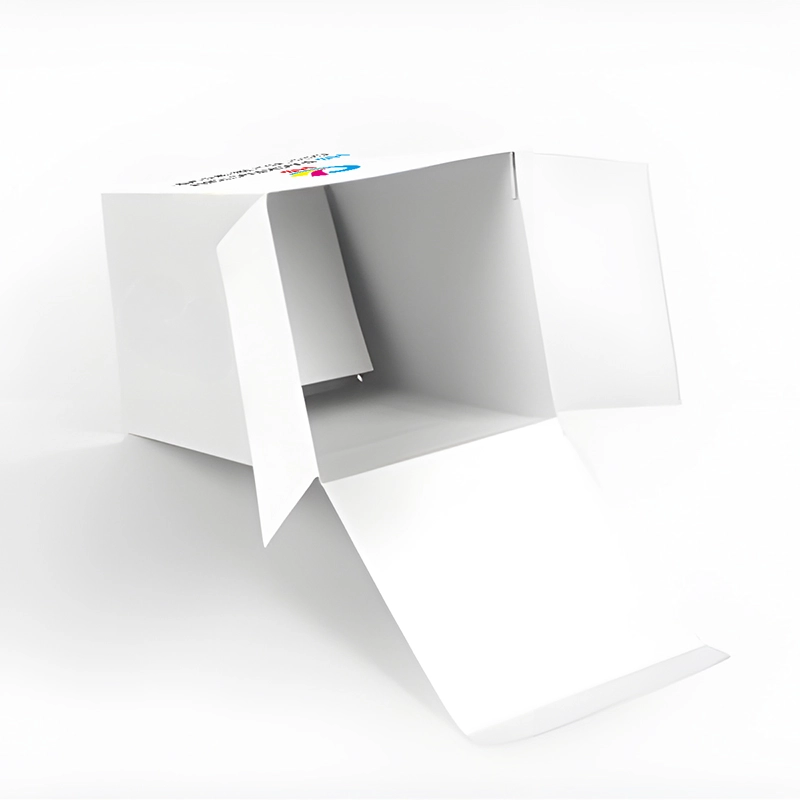
Custom Full Flap Auto Bottom Boxes
SKU: HS-FC006
Custom full flap auto bottom boxes , also called crash lock bottom boxes, are pre-glued folding cartons used when a retail package needs faster assembly and stronger bottom support.
The base pops open quickly during packing, while the full flap overlap bottom adds more support than many standard tuck end or snap lock bottom structures.
- Project-specific structure
- Material and artwork review
- Sample approval
- Quotation-based supply
Quick Answer
Custom full flap auto bottom boxes are pre-glued folding cartons designed for faster packing and stronger bottom support than many standard retail carton structures.
Key Facts for B2B Buyers
Product role
Custom full flap auto bottom boxes , also called crash lock bottom boxes, are pre-glued folding cartons used when a retail package needs faster assembly and stronger bottom support.
Critical inputs
Product dimensions and weight, structure, material, artwork, quantity, packing workflow and destination.
Project boundary
No fixed performance, material, certification, environmental or commercial result is assumed before project review.
Approval focus
Fit, assembly, print, finish, packing, route and agreed evidence are confirmed on the approved sample.
Project Specification Directions
| Box Style | Full flap auto bottom folding carton / crash lock bottom box. |
|---|---|
| Bottom Structure | Pre-glued full overlap bottom that pops open quickly during assembly. |
| Key Benefit | Fast packing line assembly with stronger bottom support for heavier retail products. |
| Recommended Board | Material grade, dimensions and performance direction are selected from the approved product, structure, print, packing and route requirements. |
| Board Caliper | Confirmed based on carton size, product weight, crease depth, print coverage, and final packing method. |
| Glue Area | Side seam and crash lock bottom glue areas must be reviewed before sampling to confirm accurate opening and bottom locking. |
| Opening Style | Commonly paired with a tuck top, straight tuck top, reverse tuck top, or custom top closure. |
| Insert Options | Paperboard inserts, corrugated inserts, foam inserts, molded pulp inserts, partitions, or custom product holders. |
| MOQ and timing | Confirmed by quotation after specifications, materials, artwork, quantity, packing and destination are defined |
Planning and Customization Review
Bottom Structure and Gluing
The crash lock bottom depends on accurate die-cutting, creasing, folding, and glue placement.
Bottom Structure and Gluing
The crash lock bottom depends on accurate die-cutting, creasing, folding, and glue placement.
Paperboard and Protection
Material choice should be based on product weight, carton size, retail display needs, and shipping method.
Inserts and Window Options
Heavier or fragile items often need more than a strong bottom; the product should also be held in place.
Is This Direction Right for Your Project?
Good Candidates for Review
Products with defined dimensions, weight, orientation, opening, packing and presentation requirements that suit the approved structure.
Review Another Direction When Needed
Loose liquids, unsupported heavy or irregular loads, or projects requiring verified performance beyond the approved packaging system.
Material, Performance and Claim Boundaries
No material, environmental, food-contact, barrier, load, adhesion or route performance is assumed from the product name alone. The selected construction, supplier evidence, sample, test scope and destination requirements must be confirmed for the project.
Artwork, Sampling and Production Approval
- Define the pack: Send product, size, weight, orientation, artwork, quantity, packing and destination.
- Confirm the direction: Review structure, materials, print, finish and evidence requirements.
- Approve files: Confirm dieline, artwork placement, copy, color and production notes.
- Approve the sample: Check fit, assembly, appearance, packing and the agreed test scope.
- Release production: Confirm quotation, approved references, QC points, packing and shipment.
Quality and Packing Checks
- Dimensions, fit, orientation and assembly against the approved sample
- Material, structure, print, color and finish against approved references
- Edges, folds, seams, locks, adhesive or retention features where applicable
- Product loading, removal, pack-out and handling workflow
- Unit packing, carton count, pallet direction and route protection
- Required documents and agreed evidence scope before shipment
What to Send for an RFQ
- Product dimensions, weight, photos or drawings
- Required structure, use, opening, loading and packing workflow
- Material, print, finish, insert, window or accessory direction
- Artwork files and any market, evidence or test requirements
- Quantity, unit packing, carton or pallet expectations
- Destination, schedule target and sample approval needs
Frequently Asked Questions
What are custom full flap auto bottom boxes?
Custom full flap auto bottom boxes are pre-glued folding cartons with a crash lock bottom structure. The bottom pops open during assembly and uses overlapping flaps to provide stronger support for heavier retail products.
Full flap auto bottom vs. snap lock bottom: what is the difference?
Full flap auto bottom boxes are pre-glued and open quickly during packing. They are faster to assemble and provide stronger bottom support for heavier retail items.
How much weight can full flap auto bottom boxes hold?
The suitable weight depends on carton size, paperboard thickness, bottom overlap, product shape, insert design, and export packing method. We recommend testing the structure with your actual product during sampling.
Do these boxes need tape on the bottom?
No. The pre-glued crash lock bottom is designed to lock into place when the carton is opened. For very heavy or fragile items, inserts, partitions, or stronger board combinations may still be recommended.
Can full flap auto bottom boxes be used for glass bottles?
Yes. This structure is commonly used for glass bottles, jars, candles, skincare products, and beverage packs. For fragile glass items, we usually recommend testing board thickness, inserts, and outer carton protection together.
What causes crease cracking on auto bottom cartons?
Crease cracking can happen when thick paperboard, dark solid printing, heavy ink coverage, lamination, or incorrect crease depth is used. We review crease lines and recommend sampling before mass production for premium printed cartons.
Can these boxes be used for food or beverage packaging?
Yes, but food and beverage projects should confirm food-contact paper, inner liner requirements, grease resistance, moisture conditions, and local packaging compliance before production.
What information do you need for a quote?
Please send your item size, item weight, box style, material preference, artwork file, quantity, and delivery country. Our packaging engineers can help prepare a dieline and recommend the right board thickness, bottom structure, insert, finish, and packing method.
Related Products and Planning Resources
Plan Your Custom Full Flap Auto Bottom Boxes for Heavy Retail Packaging Project
Send product, specification, artwork, quantity, packing and destination details for a project-specific review and quotation.